• Skip to main content

    Market Data

    Plate market cautiously optimistic about duration of 2026 

    Written by Kristen DiLandro


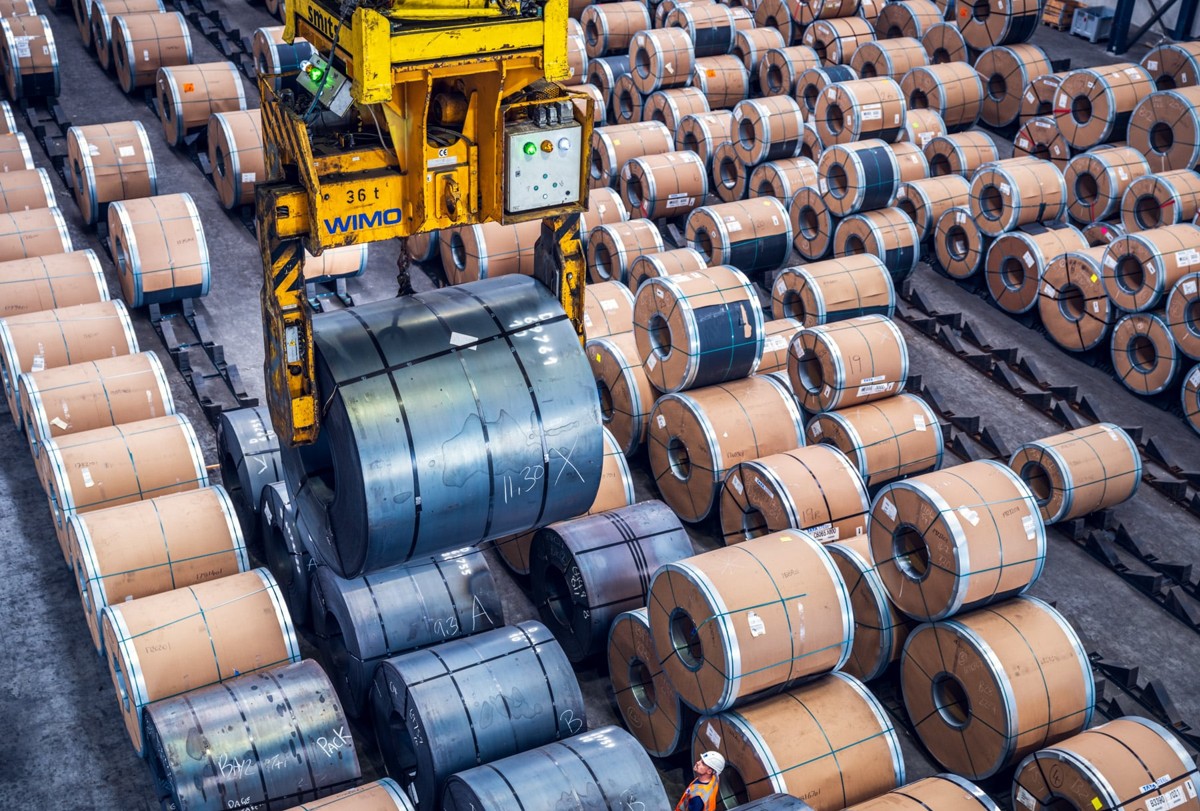
    Market sources say 2026 could be a stronger year for plate market participants than 2025 if this week’s conditions are indicative of how the rest of the year plays out.  

    Participants who spoke with SMU this week conceded that demand is not “hot,” but remains steady. They said mills are beginning to iron out production issues. However, plate market sources hope to see lead times tighten up. 

    Market commentary 

    A Midwestern-based service center associate outlined the dynamics in his business this week. 

    “Demand is better but not extremely vibrant. With holes now created in service center inventories (primarily due to late mill deliveries), in my opinion, folks are looking around more to fill inquiries. Yes, projects and contracts are strong, but day-to-day is still spotty. Maybe that will change , and I hope so,” said the associate.  

    As for the strength of the market as the seasonal summer doldrums creep up?  

    The same associate said, “In the end, mills are keeping supply in line with current demand and doing a pretty good job of it. I do believe the current environment can hold for 2026, and possibly beyond, as long as the mills keep their pace and don’t raise prices too much to invite imports.” 

    Another service center market participant reported his business was consistent with the previous week. He shared remarks similar to the first Midwestern service center source.  

    “Market demand for steel plate remains healthy. Fuel surcharges will begin to impact our costs in May. The steel plate mills remain full and deliveries are running late,” he said.  

    Adding, “We may not experience the typical summer slowdown this year. Competitively priced imports are not currently available in the Rust Belt. There’s really no good reason for the price escalation trend to stop or even pause at the moment.” 

    On the West Coast, a steel distributor who mixes imported stock with domestic stock said there are bright spots in the market, and there are not-so-bright spots. He contends right now, it’s all a matter of perspective.  

    “There are positive things out there. How else could the steel mills keep raising prices across all product groups and people can still keep buying? The economy isn’t doing that bad. Demand is pretty good, customers are accepting higher prices. You just have to know how to handle these domestic mills,” he noted.  

    He added, “Transportation costs have increased. Fuel surcharges are now popping up again from mills and trucking companies. Hell, in Southern California, diesel is now $7.50 a gallon in some places, and you still see trucks out there making deliveries.” 

    Over on the East Coast, a small service center associate shared the positive outlook of his West Coast counterpart.  

    “Business is awesome, but supplies remain somewhat limited. Prices continue to increase, and our customers (mostly job shops/fabricators) continue to place consistent orders. If their orders are an indication of strong market forces, then yeah, it seems everything is going pretty good,” he said.  

    Prices 

    On Tuesday, SMU assessed the weekly spot market price for plate within the range of $1,170 to $1,260 per short ton (st).  

    The average transaction price this week was $1,215/st. The current week’s average price is 3.4% higher than the equivalent week of 2025, when the average plate price was $1,175/st.  

    Kristen DiLandro

    Read more from Kristen DiLandro

    Latest in Market Data