Government/Policy
December 8, 2022
Domestic Hot-Rolled Coil Keeps Competitive Edge Over Import Prices
Written by Brett Linton
Domestic hot-rolled coil (HRC) continues to hold a competitive price advantage over imported steel, according to Steel Market Update’s latest foreign vs. domestic price analysis. US HRC is approximately 6–15% cheaper than foreign prices this week, after consideration of freight costs, trader margins, and any applicable tariffs. This is the sixth consecutive week US prices have been cheaper than foreign prices for all three regions we follow. HRC prices for all regions increased week over week, with the average spread growing from $60 per ton last week to $68 per ton this week.
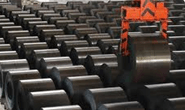 SMU uses the following calculation to identify the theoretical spread between foreign HRC prices (delivered to US ports) and domestic HRC prices (FOB domestic mills): Our analysis compares the SMU US HRC weekly index to the CRU HRC weekly indices for Germany, Italy, and Far East Asian ports. This is only a theoretical calculation because costs to import can vary greatly and often fluctuate, which influences the true market spread.