• Skip to main content

    Analysis

    Industry advocates mixed on potential S232 tariff reductions for Canada, Mexico

    Written by Kristen DiLandro


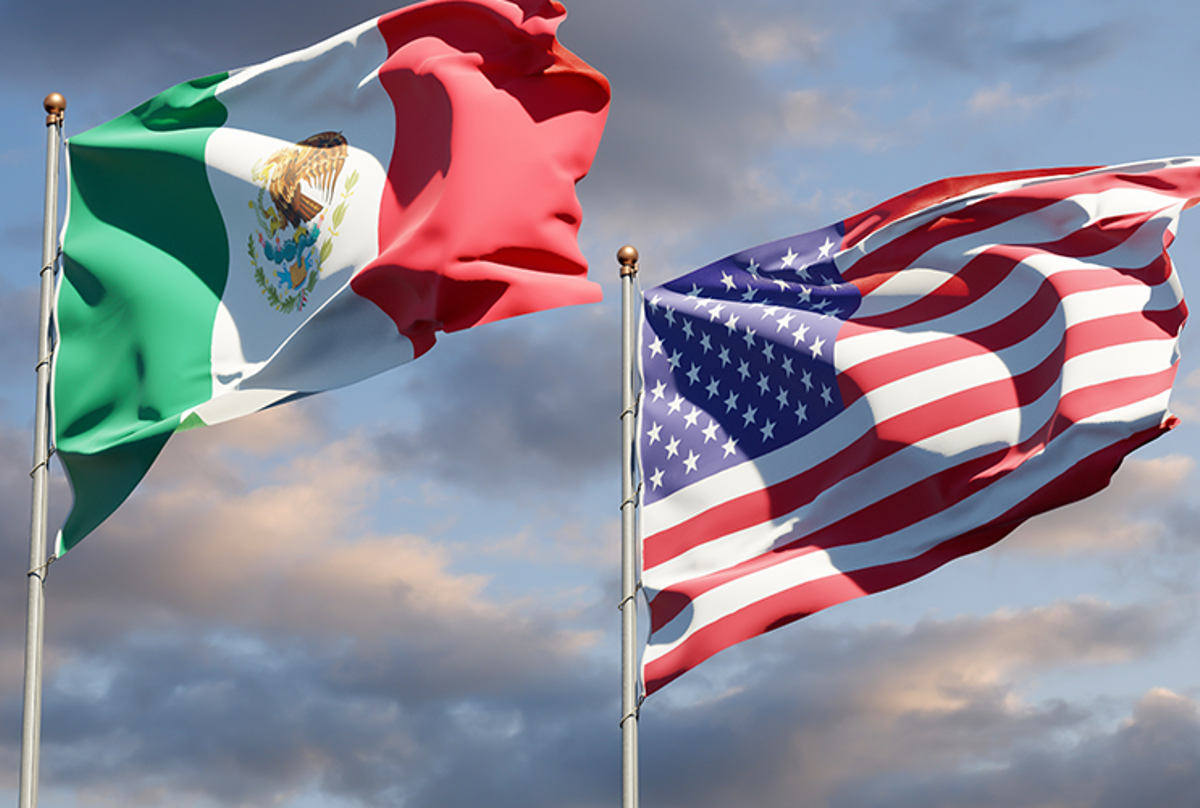
    A process that could reduce Section 232 steel and aluminum tariffs for mills and smelters in Mexico and in Canada garnered mixed reactions from steel and metals’ producers and supply chain associations.

    Recall that in an April 23 update to the Federal Register, the Department of Commerce outlined new procedures for implementing Presidential Proclamation 10984.

    The update detailed how Canadian and Mexican producers could seek reduced Section 232 tariffs in exchange for investing in new US-based capacity.

    Key details

    The process specifically applies to steel and aluminum producers in Canada and Mexico. They must directly or indirectly supply medium- and heavy-duty vehicles (MHDV), auto parts, and buses to the US. And their goods must qualify under US-Mexico-Canada (USMCA) origin rules. In other words, mills melt and pour steel in Canada or Mexico to qualify. And aluminum producers must smelt and cast in either country.

    To receive tariff relief, applicants must submit detailed investment plans demonstrating new US production capacity tied to automotive or industrial capacity. Companies will also be subject to ongoing reporting and production milestone requirements, Commerce said.

    Documentation requirements include project descriptions, capital investment plans, timelines, projected capacity increases, as well as evidence of direct connections to automotive and truck supply chains in the US.

    Quarterly reports on construction and production milestones and compliance to investment commitments will be assessed by the department on an ongoing basis. Compliant companies may find Section 232 tariffs reduced from 50% to no less than 25%.

    Steel industry reaction

    Philip K. Bell, Steel Manufacturers Association (SMA) president and CEO, emphasized the sizeable investments domestic steel mills have already made to meet the automotive sector’s steel requirements. 

    “There is no shortage of domestic steelmaking capacity for automotive grade steels. SMA members continue to make record investments to ensure the optimal mix of automotive steels that are safely and sustainably produced in facilities that are modern and efficient,” Bell said.

    “After reviewing the president’s executive order, we find it difficult to see that there are any companies that can take advantage of the proclamation,” he added. “If there are, it would be interesting to see which companies come forward who believe that there is something that they can carve out of this executive order that benefits them.”

    American Iron and Steel Institute (AISI) President and CEO Kevin Dempsey also emphasized ongoing efforts from US producers to meet the demands of domestic automotive manufacturers.

    “In recent years, American steel producers have announced significant investments in new and upgraded facilities, including advanced steelmaking furnaces and state-of-the-art finishing lines, many of them specifically designed to produce the high-strength, lightweight steels that modern vehicles demand,” Dempsey said.

    “These mills will further expand our ability to supply automakers with the full range of steel products they require,” he said.

    Consumers and supply chain in wait-and-see mode

    The American Metals Supply Chain Institute (AMSCI) – which represents steel and metals consumers, traders, and logistics companies – said it was still assessing the rule change.

    “AMSCI’s membership represents a broad cross section of the metals supply chain, and perspectives vary depending on each company’s position within the market,” AMSCI Executive Director Alexandra Jopp said.

    “So far, we are mostly hearing that businesses are focused on understanding the operational and potential commercial and supply chain impact of the changes. Discussions remain ongoing,” she said.

    Kristen DiLandro

    Read more from Kristen DiLandro

    Latest in Analysis