
AMU Community Chat: Tanners says recent price drop a 'head scratcher'
The recent retreat in aluminum prices has been a “head scratcher” as the Iran war continues to disrupt output from an important production region.


The recent retreat in aluminum prices has been a “head scratcher” as the Iran war continues to disrupt output from an important production region.

Earlier this week, SMU polled steel buyers on an array of topics, ranging from market prices, demand, and inventories to tariffs, imports, and evolving market events.
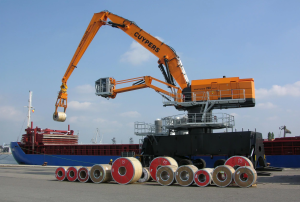
Imports from Europe are at parity with domestic hot rolled, while Southeast Asian products remain at a considerable discount. The result comes because a stateside rally coincides with faltering offshore prices.

Cleveland-Cliffs plans to upgrade its ironmaking process at Middletown Works, according to a permit filing with the Ohio EPA.

We asked our readers what they thought the outcome of the ongoing USMCA talks might be as far as Section 232 tariffs go. Very few see an elimination of tariffs as likely.

The significant earthquakes in Venezuela could delay scrap exports, sources told SMU.

We’ve gotten so used to the slow, steady increases by now that $5/ton feels like the new flat. And flat, after so many consecutive weeks of gains, feels like a decrease.

Hot-rolled (HR) coil and plate prices continued to tick higher even as cold-rolled (CR) and coated prices came in unchanged, according to SMU’s latest check of the market.
North American steel buyers are navigating a market where demand is firming, but import activity remains cautious. Buyers reported mixed import activity in SMU’s June 26 flat-rolled steel buyers’ survey.

After the domestic scrap market wrapped up the first half of the year on a positive note, will July follow suit?

Total US raw steel output declined last week for the third-consecutive week but remains historically strong.

As all these initiatives unfold, one is left with the feeling that disruption of the global order is their primary purpose. As the old order is destroyed, it is time to think carefully about what will take its place.
Both Steel Buyers’ Sentiment Indices continue to indicate that steel buyers are confident in their companies’ prospects today, as well as in the months ahead.

Hybar LLC broke ground Friday on its second rebar mill in Osceola, Ark., accelerating one of the fastest expansion runs the US long-products sector has seen in years.
The London Metal Exchange (LME) cash aluminum settlement price fell 12% between June 2 and June 18 after reaching its highest level in more than four years, while the US Midwest Premium moved lower from record highs established in late May.

Washington added long steel producer Antillana de Acero and state-owned mining company Geominera to its list of sanctioned companies in Cuba.
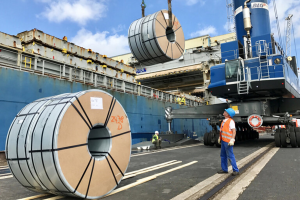
Cold-rolled coil prices moved higher in the US this week, as offshore prices trended lower. Imports are, as a result, increasingly more competitive, even with the 50% Section 232 tariff.

Consolidation continues in the HSS (hollow structural sections) sector, with two big deals announced just this month.
What comes next? Do prices plateau and then dip in late Q3/Q4 – which is what we saw in 2021? Or do they continue to rise into 2027?
Steel mill lead times remained extended this week on both sheet and plate products. Current production times three to four weeks longer than levels seen last summer.

Domestic hot band prices are at a multi-year high, presently averaging $1,145 per short ton (st). They’re on a 39-week rally that has seen prices climb $360/st over that span.
Domestic steelmakers told the Congressional Steel Caucus that strong trade enforcement and Section 232 tariffs continue to drive higher production, new investment, and facility restarts nationwide.
Starting on June 26, SMU’s Final Thoughts will become a standalone article delivered on Fridays, creating a dedicated space for thought leadership and market analysis from our experts.
Steel buyers negotiation rates remain at or near historic lows across most sheet and plate products.
Participants in the domestic plate market anticipate incoming price notifications before the end of the month, SMU learned in recent conversations.
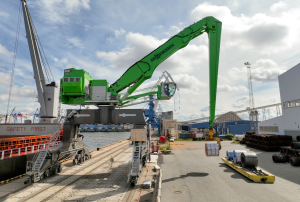
SMU’s average price for domestic HR was $1,145 per short ton (st) this week, $15/st higher week over week (w/w). In offshore markets last week, prices moved down, largely maintaining a trend seen since late April.
SMA's Philip K. Bell writes about the upcoming USMCA joint review.

Galvanized sheet buyers and distributors report that strong demand and constrained supply persist, exerting upward pressure on prices.

While the way we deliver Final Thoughts is changing on Friday, our commitment to bring you the most up-to-date steel news remains unwavering.

US sheet prices continue to move higher on extremely limited spot availability, solid demand, and extended lead times.