
SMU Survey: Mills maintain grip on sheet and plate prices
This week we saw low negotiation rates across all products, with coated and plate products slightly more negotiable than hot rolled and cold rolled.


This week we saw low negotiation rates across all products, with coated and plate products slightly more negotiable than hot rolled and cold rolled.
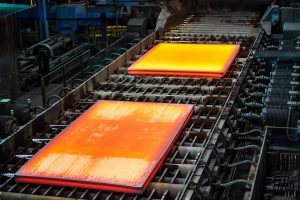
Market participants report frustration with extending lead times for domestically produced plate products.
The May Business Conditions Report issued by the Precision Metalforming Association (PMA) found metalforming manufacturers anticipate stable market conditions for the next three months.

AMU's May aluminum market survey showed lengthier rolled product lead times coupled with shrinking extrusion and primary booking windows, though inventory building and forward demand sentiment remained cautious.

Sheet and plate price indices increased between $5-20 per short ton (st) from last week.

US raw steel production slipped last week, falling from a multi-year high the previous week, according to the most recent American Iron and Steel Institute (AISI) data.

US domestic steel prices continued to increase for most products as demand remained resilient amid tight supply. Domestic sheet and plate prices increased over the past month, while long products prices were mostly stable, with only structural and merchant bar prices edging up higher.
The total volume of raw steel produced around the world fell 4% in April following the one-year high seen in March, per World Steel Association figures.

This Premium analysis examines oil and natural gas prices, drill rig activity, crude oil stock levels, and fuel prices through May.
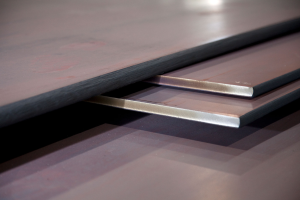
Domestic plate market participants named extended lead times, increased freight costs, escalating fuel surcharges, and spotty demand as their most recent challenges.

Earlier this week, SMU polled steel buyers on an array of topics, ranging from market prices, demand, and inventories to tariffs, imports, and evolving market events.

Galvanized steel buyers and distributors expect tightening supply and rising price pressure to last into summer.

Architecture firm billings retreated modestly in April, with the American Institute of Architects (AIA) reporting another month below the growth threshold.
Domestic raw steel production ticked up to the highest weekly output rate recorded since March 2020, according to recently published American Iron and Steel Institute (AISI) data.
Apparent steel supply surged 11% from February to March, recovering from one of the lower rates recorded in recent years to one of the higher ones.
inancially burdened Baffinland Iron Mines is applying for shelter from creditors under Canada’s Companies’ Creditors Arrangement Act (CCAA).
Sources told SMU they’ve begun considering whether US imports of sheet might benefit the overall market.
SMU’s latest steel buyers market survey results are now available on our website to all premium members.

The US rig count crept higher for a fourth week, while Canada's count held steady for a second, according to the latest data from Baker Hughes.
SMU’s Steel Buyers’ Sentiment Indices remained in strongly optimistic territory this week, based on responses from steel executives in our latest market survey.
US service centers’ flat-rolled steel supply fell for a fourth straight month in April, with shipping days of supply slipping to 45.7 on an adjusted basis, according to SMU data.

Inventories are getting dangerously low. (Sheet stocks are at their lowest point since May 2021!) Lead times remain extended. And mills have few spot tons available. (The ‘a’ word – “allocation” – is being kicked around.)
SMU Survey: Sheet and plate lead times remain extended, according to buyers responding to our latest market survey.

Buyers continue to report mills are holding a firm grip on sheet and plate prices.

Plate market participants wonder how plate supply will hold up in coming weeks and months, sources told SMU. Some sources called out dwindling availability of heavier grades and said certain domestic producers have “a huge backlog.” of all grades.
US steel exports improved in March but remain historically low, having trended lower for over a year now.
All five of SMU’s sheet and plate price indices ticked higher this week, rising further to new multi-year highs. Prices increased between $5-25 per short ton (st) from last week and are $30-65/st higher than they were one month ago.

Total heating and cooling equipment shipments jumped 24% from February to March according to recently released AHRI figures.
US mills' capability utilization hit 81.4% last week, up from 80.4% the week prior and from 76.6% a year ago.
In a May 11 price notice, SSAB upped its transaction prices for new, non-contract plate orders confirmed to ship from June 28 onward.