
SMU Scrap Survey: Current and Future Sentiment accelerate
SMU’s Current Sentiment Index for scrap jumped in August as Future Sentiment saw a sharp rebound, according to the latest data from our ferrous scrap survey.


SMU’s Current Sentiment Index for scrap jumped in August as Future Sentiment saw a sharp rebound, according to the latest data from our ferrous scrap survey.

SMU’s Steel Buyers’ Sentiment Indices have been historically strong for several months, indicating that buyers are confident in their companies’ prospects today and in the coming months.

Licenses to import steel into the US surged in July to the highest level since June 2025, according to recently released US Commerce Department data. Final June figures show a 3.8% month-on-month decline, while July licenses show a 9% recovery.
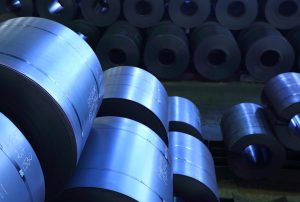
Recent conversations with some hot-rolled coil spot market participants revealed spiking stress levels amidst a tightening supply of the steel sheet product.
The Longview, Texas-based flat-rolled processor and pipe manufacturer reported 206,000 short tons of shipments in the quarter, an increase of 28% from a year earlier.

The results of the latest SMU flat-rolled market survey are now available on our website to all premium members.
SMU’s August ferrous scrap market survey results are now available on our website to all premium members.

It’s tough to find a new angle to write about in a market that continues to be characterized by the same trends. You know the ones: extremely limited spot tons, long lead times, low inventories, and high prices.

The US domestic scrap market seemed to get off to a fast start on Tuesday, but things have begun to get drawn out again as mills are still considering August pricing. Several of the larger multi-mill buyers have not officially settled.

Gerdau reported stronger results from its North American operations in the second quarter, with EBITDA up 15% from the prior quarter on firm demand and high asset utilization.
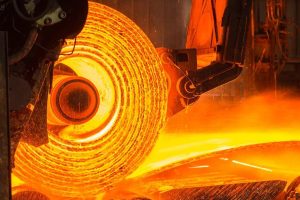
Steel mill lead times held steady on sheet products this week and extended further on plate, according to buyers responding to our latest market survey. Production times remain at or near multi-year highs across all products, roughly three to four weeks longer than they were last summer.
Most steel buyers report that mills are unwilling to budge on new sheet and plate spot order prices this week. Negotiation rates have been low for most of this year, having recently fallen to one of the lowest measures recorded in almost five years.
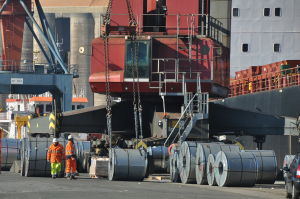
SMU’s average price for domestic HR rose to $1,180 per short ton (st) this week, $15/st higher vs. the prior week. In offshore markets last week, prices mainly moved up.

Ternium reported higher sales, profit, and shipments in the second quarter. Mexico remains the company’s strongest market even as US trade measures add uncertainty across North America.
U.S. Steel reported stronger second-quarter results, with higher sales, a return to profitability, and record operating performance across key assets.

The amount of raw steel produced by US mills increased last week to the highest rate recorded since early June. Domestic production has been historically strong for over five months now.

We’re just about three-and-a-half weeks away from the big dance. Have you punched your ticket to the can’t-miss flat-rolled steel gathering of 2026 yet?

Drilling activity increased in both the US and Canada this week, touching new multi-month highs, according to recently released Baker Hughes figures.
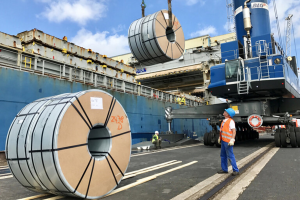
The decisive factor remains the 50% Section 232 tariffs. Still, imports from Europe remain largely near parity with domestic material, while Southeast Asian products are at a considerable discount.

A look at trends in the international scrap market.

The US Court of International Trade (CIT) has ordered the Commerce Department to redo its final dumping determination for Mexico’s Galvasid SA de CV in the corrosion-resistant (CORE) steel investigation.
The US Department of Commerce has set final duties in the trade case investigating rebar imports from Vietnam, Egypt, and Bulgaria.
SMU’s sheet and plate price indices were steady to higher this week, with all products at multi-year highs.

Speaking on the company’s second-quarter earnings call, executives described a sheet market defined by broad-based demand, disciplined pricing behavior, and a structural shift in customer buying patterns.
The US Trade Representative (USTR) exempted Brazilian pig iron from Section 301 tariffs for faced labor concerns, so what's the story now?
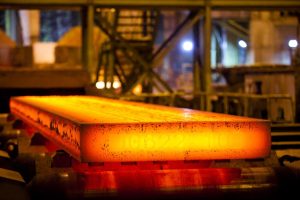
The total volume of raw steel produced by mills around the globe eased 2% in June, according to worldsteel.
Foreign steel is gaining traction with US buyers, according to SMU's most recent Flat-Rolled Steel Survey. Most manufacturers and service centers now report competitive pricing, and more are placing new foreign orders.
We’re officially less than 30 days from the kick-off of SMU Steel Summit 2026 in Atlanta.

The US Department of Commerce is adjusting the import duties on Korean cold-rolled and galvanized steel after two administrative reviews.

Reliance Inc said that US government industrial policies contributed to its second-quarter financial success.