Spot scarcity, contract cuts drive US sheet squeeze
The US sheet market is really feeling the squeeze. It’s not just spot tons that are a concern. Contract tons are increasingly scarce too.


The US sheet market is really feeling the squeeze. It’s not just spot tons that are a concern. Contract tons are increasingly scarce too.

If the question is, “Brother, can you spare a spot ton?” The answer from many mills might be “No.” Or perhaps, in the case of hot-rolled (HR) coil, “Do you have $1,300 per ton?”
The US plate market is increasingly challenging. Spot tons remain constrained as demand gains momentum and lead times continue to stretch out—double what they were a year ago.

The spread between domestic hot-rolled (HR) coil and prime scrap prices continued to widen in September. It is now up for a 12th straight month, and at the widest gap since January 2022.

Ohio-based GrafTech International announced it will raise graphite electrode prices by at least 30%. The increase is effective immediately for all open commercial negotiations, the company said in a statement on Tuesday.

Sheet and plate prices continue to push higher on increasingly tight supplies and solid demand, market participants said. The domestic market remains characterized by both limited spot availability and limited contract availability. Buyers continue to report having difficulty finding spot material and being held below their contract maximums and sometimes to their contract minimums.

Nucor said on Tuesday, Sept. 8, that its consumer spot price (CSP) for hot-rolled (HR) coil will be $1,190 per short ton (st) this week, a $5/st increase from a week earlier.
Most steel buyers responding to our latest market survey reported that mills continue to hold a firm grip on prices. Negotiation rates remain low on all sheet and plate products. In late August, the share of buyers reporting that mills were negotiable fell to the lowest rate seen in almost five years, and that rate was unchanged through this week.
Flat-rolled steel prices inched higher again this week, continuing a trend that has characterized the market for most of this year. SMU’s hot-rolled (HR) coil price now stands at...
Nucor raised its CSP for HR coil to $1,185 per short ton for spot orders placed this week, a $5/st increase w/w.
Nucor said on Friday its Plate Group plans to maintain base plate prices with the opening of its October orderbook.

Leading steel analysts gave their forecasts for 2027 pricing and market dynamics at Steel Summit 2026.

Steel buyers expect prices to keep rising in the near term and report steady-to-improving demand and lean inventories. Imports remain competitive despite risks.

Barry Zekelman supports durable, predictable steel trade protection—and the Section 232 tariffs in particular—as a foundation for reinvestment in domestic manufacturing capacity.
Sheet prices mostly ticked upward again this week on a series of factors long familiar to the market: long lead times, limited spot availability, and solid demand.

SSAB Americas plans to increase plate prices by at least $40 per short ton (st), according to a letter sent to customers on Monday.
Nucor said on Monday, Aug. 24, that its CSP for hot-rolled coil will be $1,180 per short ton (st) for the week, a $10/st increase from a week earlier.

SMU’s Steel Demand Index saw a negligible decline in growth, slightly behind early August, but remaining in elevated territory, according to mid-to-late August indicators.

CRU: Global finished steel prices have diverged in August, with longs softening while sheet and plate firmed in most regions. Weak construction demand persisted across most longs markets, with the US the notable exception. Higher sheet prices were driven by tightening supply in the US and reduced import attractiveness in Europe, even as APAC sheet prices declined. Plate prices were mostly firmer across APAC, stable to down in Europe, and continued climbing in the US.

Most steel buyers who responded to our market survey this week reported that mills are holding a firm grip on sheet and plate prices. The share of buyers reporting that mills were negotiable fell to the lowest rate seen in almost five years. Negotiation rates for three sheet products are down to multi-year lows.
Sheet prices and plate prices continued their relentless march higher over the last week as more participants said they were effectively on allocation, especially when it comes to hot-rolled (HR) coil.
Nucor said on Monday, Aug. 17, that its consumer spot price (CSP) for hot-rolled (HR) coil will be $1,170 per short ton (st) for the week, a $10/st increase from a week earlier.
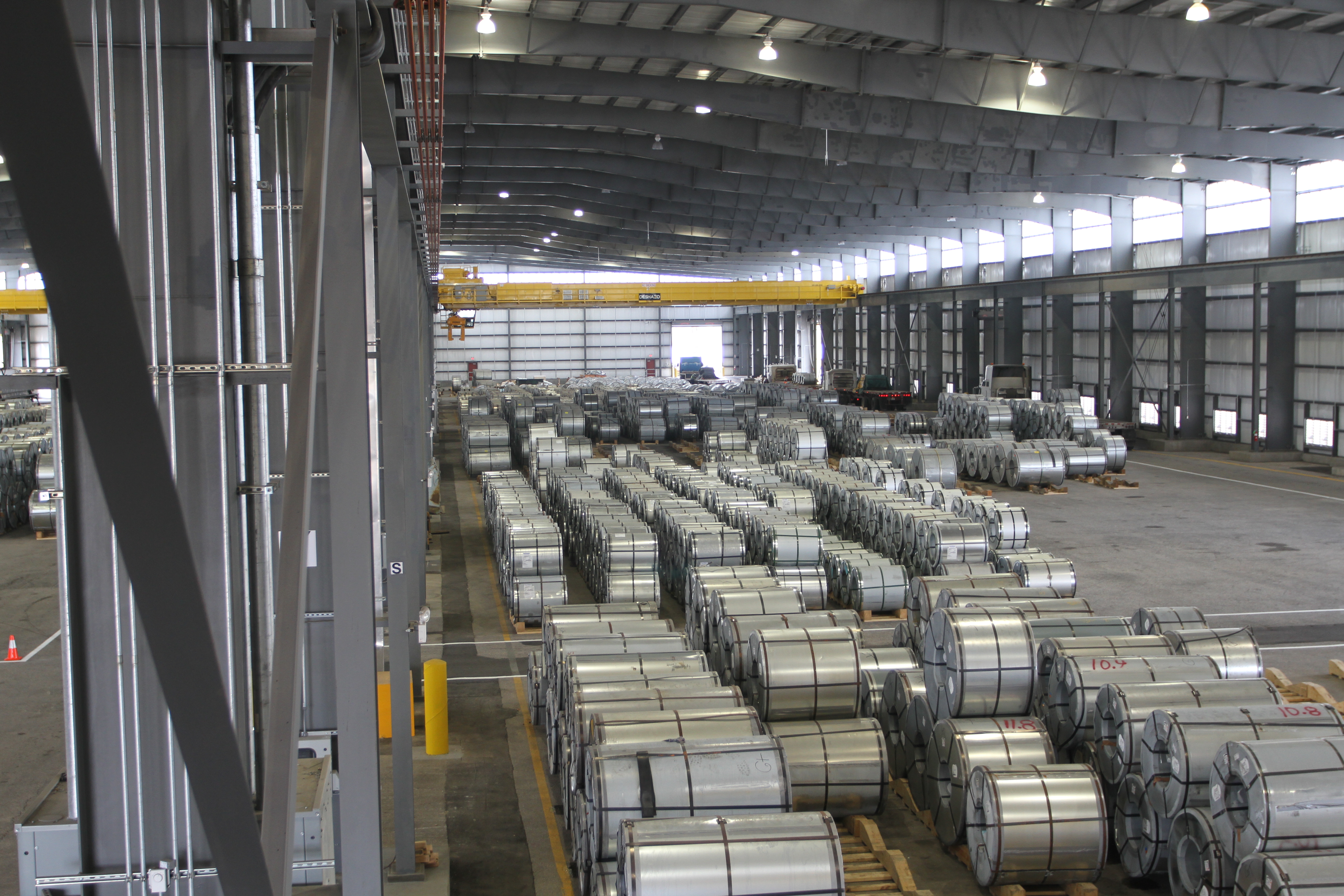
The spread between hot-rolled (HR) and galvanized coil has widened over the last month. As of Tuesday, Aug. 11, the gap stood at $230 per short ton (st), up $30 from $200/st on July 14 and a $10 increase from the prior week’s $220/st. On Aug. 12, 2025, the spread was $145/st.
CRU analysis of trade policy's impact on markets in China, US, Europe, India, and Southeast Asia.
Foreign steel remains sharply competitive, inventory levels are mostly steady, and demand is strengthening, according to SMU's Aug. 7 market survey. But buyers are more selective than earlier in the year, even as pricing momentum continues to push spot levels higher.

The spread between domestic hot-rolled coil and prime scrap prices widened again in August, a trend that began nearly a year ago.
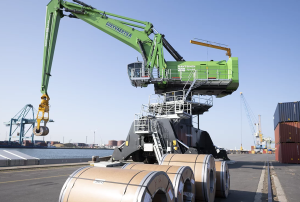
SMU’s average price for domestic hot rolled was unchanged week on week at $1,180 per short ton. In offshore markets, prices mainly moved up.
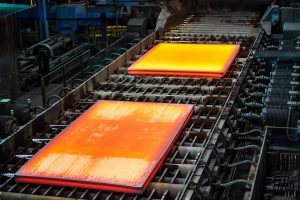
The domestic plate market is increasingly constrained as lead times spill well into Q4 and mills talk allocation. Speaking with buyers across the US, from the Midwest and East Coast to the South and West, there’s a shared theme: What spot tons?!
Earlier this week, SMU polled steel buyers on an array of topics, ranging from market prices, demand, and inventories to tariffs, imports, and evolving market events. We are sharing a selection of the comments we received below, in each buyer’s own words.
Sheet and plate prices either held their ground or increased this week amid what remains an historically tight spot market.