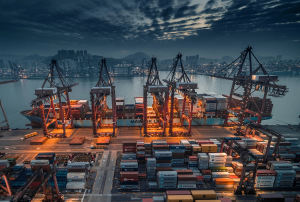
Coated duties crush HDG imports in 2026
A major trade case finalized late last year, along with higher Section 232 tariffs, account for the reduced imports.


A major trade case finalized late last year, along with higher Section 232 tariffs, account for the reduced imports.

The United States has repeatedly called for stronger action to protect North American manufacturing. Canadian steel agrees. We are ready to do the work necessary. Now Washington must remove the tariffs that stand in the way.

Some domestic spot market buyers say they're seeking imported hot-rolled (HR) coils.
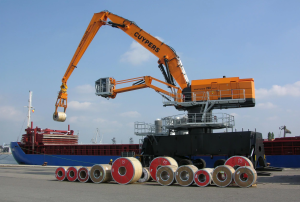
The price gap between US hot-rolled coil (HR) and landed offshore product continues to narrow, as stateside prices are now, on average, carrying a premium over imports. Domestic tags are still outpacing imported hot band as pricing dynamics diverge.

Has anyone seen a creature called the “spot ton” in the wild? I ask because they used to be a common sight. And now I hear they’re endangered.

Two countries have ramped up slab exports to the US in the wake of declining tonnages from other major suppliers, despite overall slab imports falling by nearly a third from last year.
Most companies making steel are making a lot money. And they will continue to as current high prices flow into contracts in Q3. I don’t want to kill the vibe. (No one likes that guy.) But let’s put on your risk-manager cap for a second and imagine what might keep everything from moving up and to the right indefinitely.

The next few months are poised to be momentous for US trade and tariff policy. Of note, the United States, Mexico, and Canada are beginning the six-year review of the US-Canada-Mexico Agreement (USMCA).

The Association of Cold Rolled Specialty Steel (ACRSS) officially responds to the formal investigation Mexico opened into cold-rolled steel imports from the US
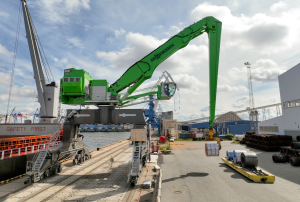
The price gap between US hot-rolled coil (HR) and landed offshore product continues to narrow toward parity.

Steel market chatter this week: Buyers predict prices to continue rising from here, report steady to improving demand, and most see tariffs as unhelpful.
Catherine Cobden, President and CEO of the Canadian Steel Producers Association (CSPA) called the past year’s 50% tariff imposed on Canada’s steel exports to the US ‘severe and unsustainable.’

Participants in the plate market doubt prices, lead times, and demand forces will cool down any time soon.
US steel buyers report firmer domestic demand, but long lead times, rising freight costs, and geopolitical uncertainty continue to cause caution on imports.

Steel imports could become even more prohibitive, facing even higher tariffs, pending the outcome of the Trump administration’s Section 301 investigation.

Market participants report frustration with extending lead times for domestically produced plate products.

US domestic steel prices continued to increase for most products as demand remained resilient amid tight supply. Domestic sheet and plate prices increased over the past month, while long products prices were mostly stable, with only structural and merchant bar prices edging up higher.
Trading-company sentiment in the May 15 SMU flat-rolled steel buyers survey shows a market split between anecdotal optimism and numerical decline.
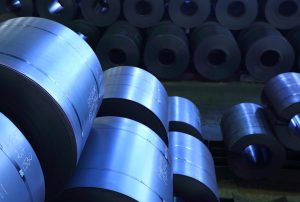
Apparent steel supply surged 11% from February to March, recovering from one of the lower rates recorded in recent years to one of the higher ones.
U.S. Steel plans to increase prices for seamless oil country tubular goods (OCTG) by $300 per ton.
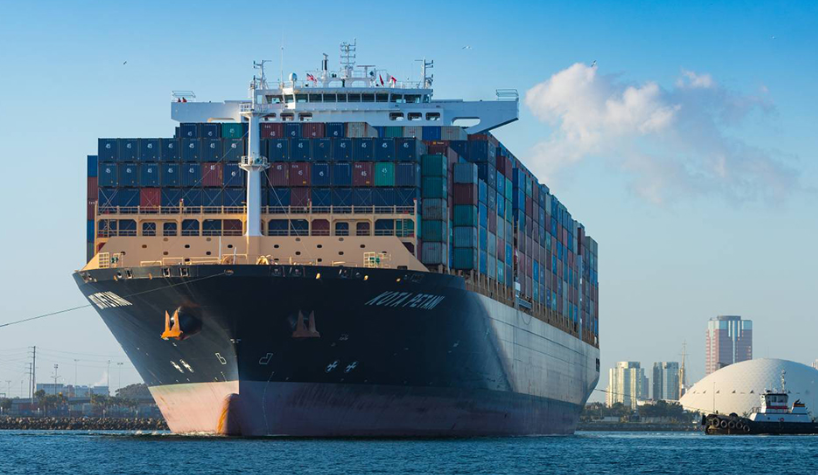
Sources told SMU they’ve begun considering whether US imports of sheet might benefit the overall market.
Plate market participants wonder how plate supply will hold up in coming weeks and months, sources told SMU. Some sources called out dwindling availability of heavier grades and said certain domestic producers have “a huge backlog.” of all grades.

The Iran war and the blockade of the Strait of Hormuz have sent oil and aluminum prices soaring higher. The impact on steel has been mostly indirect but hardly insignificant – especially when it comes to the costs of moving metal.

The process to reduce Section 232 steel and aluminum tariffs for producers in Mexico and Canada garnered mixed reactions from steel and metals’ supply chain advocacy groups.
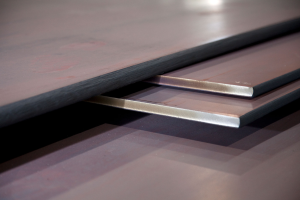
Plate market participants expect additional base price hikes from domestic mills, something that has some eyeing imports.
Following the historical lows seen in recent months, steel import volumes marginally increased in March and April.
Steel traders continue to report strong interest from North American buyers, with their import orders ticking higher, according to our latest survey results. Many manufacturers and service centers, however, report that they have not yet taken the bait.

US manufacturing activity grew for the fourth straight month in April, according to the latest report from the Institute for Supply Management (ISM). April marked the 18th month of overall economic expansion.
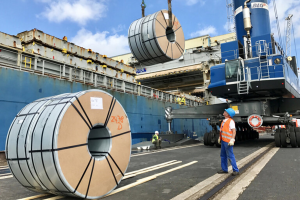
The price gap between US hot-rolled coil (HR) and landed offshore product tightened this week. The dynamic continues even as stateside and import prices diverged a bit vs. the prior week.
Anton Posner, CEO of Mercury Resources, will join Steel Market Update (SMU) and Aluminum Market Update (AMU) for a Community Chat on Thursday, May 14, at 11 am ET.