
Final Thoughts: Import allure?
Domestic hot band prices are at a multi-year high, presently averaging $1,145 per short ton (st). They’re on a 39-week rally that has seen prices climb $360/st over that span.


Domestic hot band prices are at a multi-year high, presently averaging $1,145 per short ton (st). They’re on a 39-week rally that has seen prices climb $360/st over that span.
Domestic steelmakers told the Congressional Steel Caucus that strong trade enforcement and Section 232 tariffs continue to drive higher production, new investment, and facility restarts nationwide.

Starting on June 26, SMU’s Final Thoughts will become a standalone article delivered on Fridays, creating a dedicated space for thought leadership and market analysis from our experts.
Steel buyers negotiation rates remain at or near historic lows across most sheet and plate products.
Participants in the domestic plate market anticipate incoming price notifications before the end of the month, SMU learned in recent conversations.
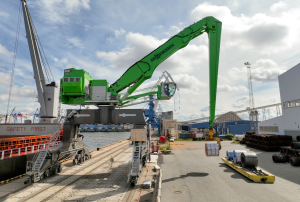
SMU’s average price for domestic HR was $1,145 per short ton (st) this week, $15/st higher week over week (w/w). In offshore markets last week, prices moved down, largely maintaining a trend seen since late April.
SMA's Philip K. Bell writes about the upcoming USMCA joint review.

Galvanized sheet buyers and distributors report that strong demand and constrained supply persist, exerting upward pressure on prices.

While the way we deliver Final Thoughts is changing on Friday, our commitment to bring you the most up-to-date steel news remains unwavering.
US sheet prices continue to move higher on extremely limited spot availability, solid demand, and extended lead times.
Total raw steel produced around the globe rebounded 3% in May to an estimated 157.9 million metric tons (mt), according to the World Steel Association (worldsteel).
The export market off the US East Coast has been largely inactive over the last two weeks.

We are in full ramp-up mode here at Steel Market Update as we put the final touches on North America’s largest flat‑rolled steel industry gathering of the year.

There has been a pause this month in new pig iron transactions between Brazil and the US due to uncertainty around US tariffs.
Cold-rolled (CR) coil prices ticked up in the US this week, as offshore prices mostly trended lower.
Starting June 26, SMU’s Final Thoughts will become a standalone article delivered every Friday, creating a dedicated space for thought leadership and market analysis from our experts.

South Korea has overtaken Canada as the top foreign supplier of steel to the US market.

It’s what we call: One ticket. Two conferences. One journey to gather steel and aluminum insight.

The US HRC futures curve has continued to move higher, particularly in the deferred months, suggesting the market is pricing a slower return to balance.

Earlier this week, SMU polled steel buyers on an array of topics, ranging from prices, demand, and inventories to tariffs, imports, and evolving market conditions.

Manufacturing activity in New York state increased modestly in June, easing after posting strong growth the month prior, according to the Empire State Manufacturing Survey.
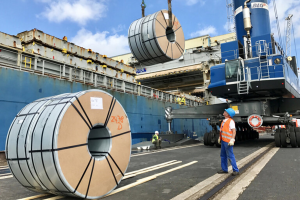
SMU’s average price for domestic HR was $1,130 per short ton (st) this week, $15/st higher week over week (w/w). In offshore markets last week, prices were largely down, following a trend seen since late April.

SMU’s Steel Demand Index ticked back up from late May, remaining in elevated territory, according to mid-June indicators.

The spread between domestic hot-rolled coil and prime scrap prices continued to widen in June, a trend that began in September.
SMU’s Mill Order Index recovered in May, reclaiming some momentum lost the month prior.

Ferrous scrap prices for June came in sideways, scrap sources told SMU.

SMU released May service center inventories on Monday. And if you’re a premium subscriber, I recommend reading the report (here) if you haven’t already.

SMU’s sheet price indices increased further this week, while plate held steady, all at multi-year highs.

Apparent steel supply eased from March to April on reduced mill shipments per recent Department of Commerce and American Iron and Steel Institute (AISI) data.

The scrap market seems firm as we go into the midsummer month of July without too many changes from June.